
The South-North Commission on Development creates an independent space for strategic debate, for new perspectives and for advancing concrete proposals. The Commission will develop recommendations for new and more effective forms of global partnership, help defend and reform multilateralism, and propose innovative modes of cooperation for a multipolar world.
The Commission seeks to strengthen partnerships and suggest issue-based, fairer, and more effective international cooperation in the emerging multipolar world.
It focusses on three core areas:
Co-Chair of the SNCD and former President of Costa Rica.
“The spirit of multilateral cooperation that drove progress for decades is weakening. That is why new forms of partnership, dialogue and joint action are not just desirable, but essential. A high-level platform to renew cooperation between the Global North and the Global South is both necessary and forward-looking.”
Co-Chair of the SNCD and former Federal Chancellor of the Federal Republic of Germany.
“The world has fundamentally changed. The urgency to expand existing cooperation formats and to build new ones is high. To discuss this together is the task of the independent South-North Commission on Development.”
The South-North Commission on Development brings together Commissioners from different regions as equal partners and ensures that voices beyond governments are heard. It is an independent body established by the Federal German Government.
The majority of members come from countries of the Global South.
It is composed of a balanced mix of about twenty high-ranking representatives from across the Global South and North from international organisations, the private sector, trade unions, academia, civil society, and former high-ranking political office.
The Commissioners are nominated by the two Co-Chairs. The Commission is supported by a Secretariat hosted by the Federal Ministry for Economic Cooperation and Development (BMZ) in Berlin, Germany.
President World Bank
Co-chair of the UN High-Level Expert Group (HLEG) on “Beyond GDP” and Professor at Cornell University
Secretary General Public Services International Global Union
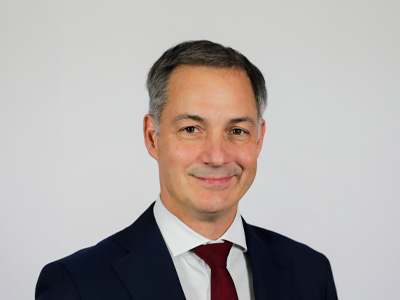
Administrator of the United Nations Development Programme (UNDP) (as a participant in an official and consultative capacity)
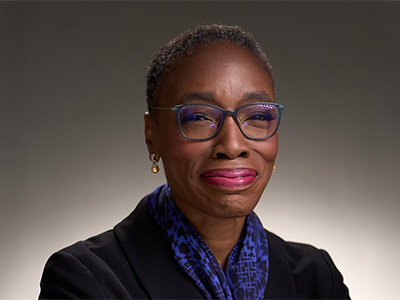
President and CEO International Crisis Group

Business leader, Coordinator of the Advisory Council for Regional Economic Development and Corporate Relocation for the Mexican Presidency
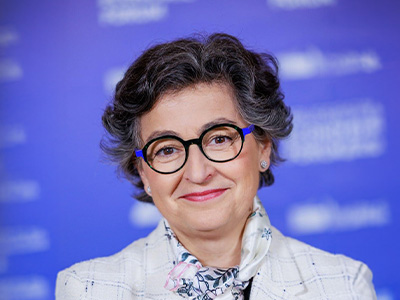
Dean Paris School of International Affairs (PSIA), Co-chair of the Future of Development Cooperation Coalition (FDCC) and former Foreign Minister of Spain
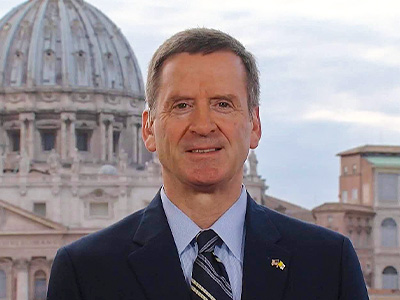
President and CEO ONE and former USAID Administrator
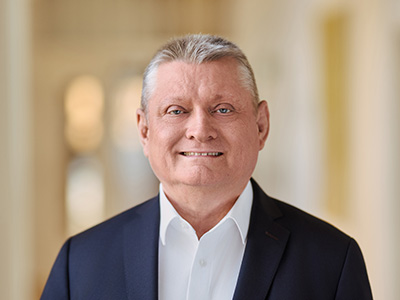
President German Red Cross (DRK) and former Health Minister of Germany
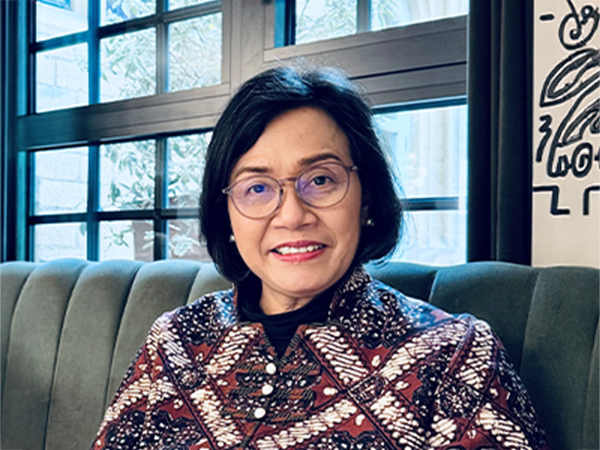
Independent Co-chair for the 22nd replenishment of the International Development Association (IDA22) and former Finance Minister of Indonesia
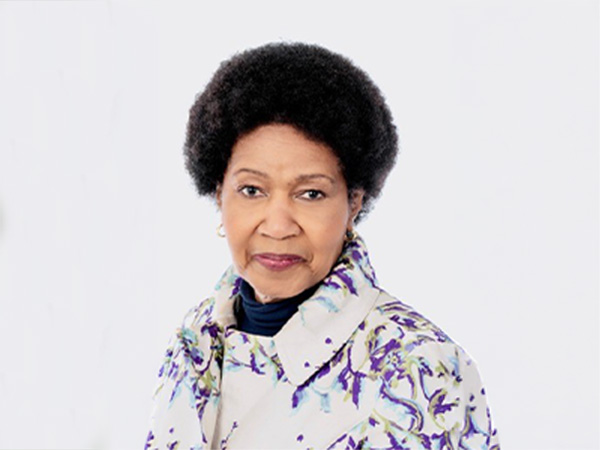
Chancellor University of Johannesburg, former Vice President of South Africa, former UN Under-Secretary-General and former Executive Director UN Women
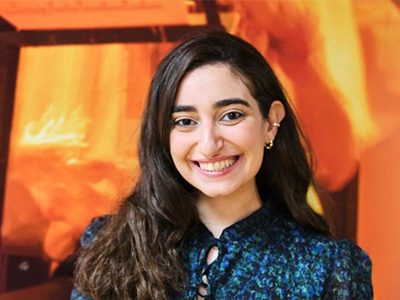
Researcher at the Center for Environmental Policy (CEP) at Imperial College London, negotiator at COP 30 for Lebanon
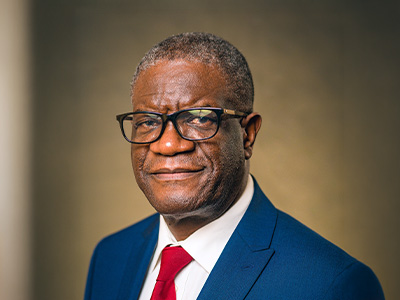
Nobel Peace Prize Laureate, Professor at the Université Libre de Bruxelles, gynaecologist, human rights advocate and Co-president of the Global Survivors Fund (GSF)
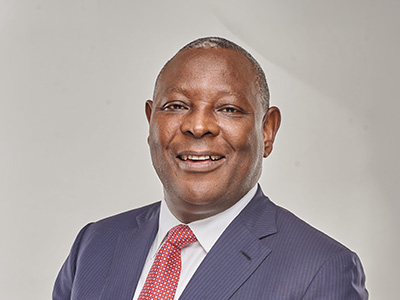
Group Managing Director and CEO, Equity Group Holdings Plc. and Executive Chairman Equity Group Foundation
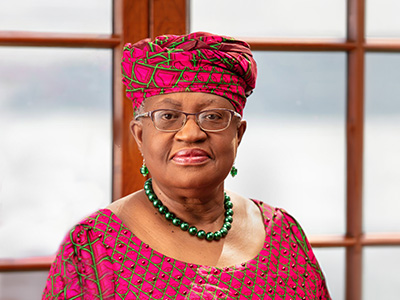
Director-General World Trade Organisation (WTO)
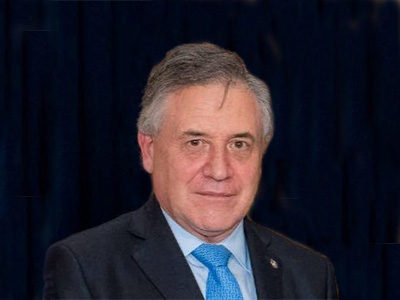
Former Minister of Industry, Energy and Mining and former Foreign Minister of Uruguay
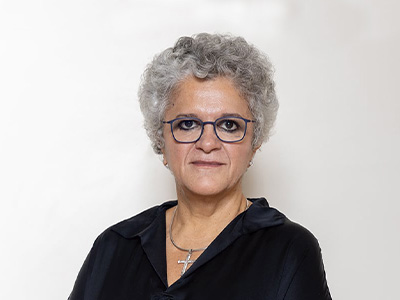
Co-chair of the UN International Resource Panel (IRP/UNEP), member of the High-Level Advisory Board (HLAB) of UN-DESA, and former Environment Minister of Brazil
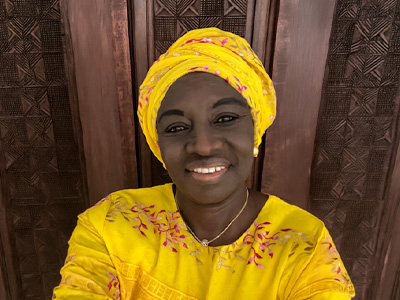
Former Prime Minister of the Republic of Senegal
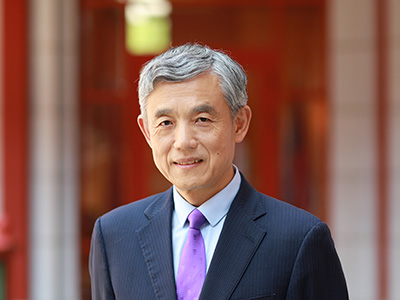
Professor and Dean of Schwarzman College Tsinghua University, Co-chair Leadership Council of the UN Sustainable Development Solution Network
Co-chair of the civil society coalition for the UN We Need (C4UN) and former executive coordinator of the Global Governance Innovation Network at the Stimson Center
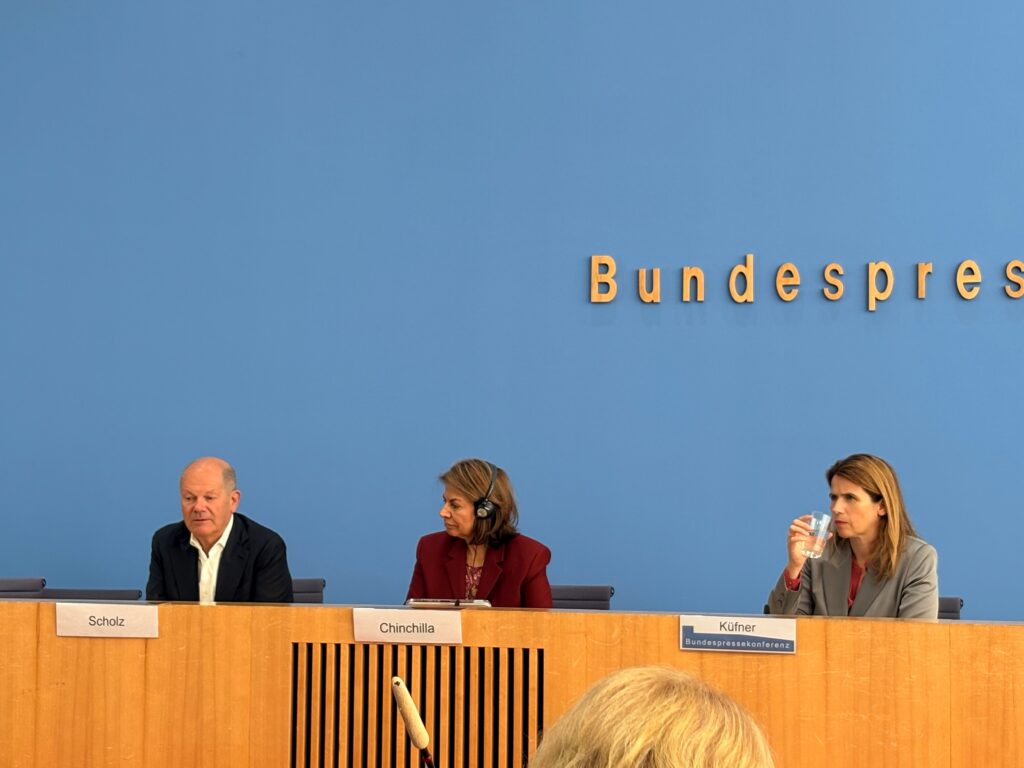
Photo Credits: Aminata Touré © MSC/Hase; Others: Private
The Commission is an independent body composed of a balanced mix of about twenty high-ranking representatives of the Global South and North from politics, the private sector, academia, international organisations and civil society. The Commissioners will be named by two Co-Chairs.
The Commission’s work will be based on the following principles:
Leaders and representatives from the Global South and North, from government, civil society, business and international organisations will jointly determine the Commission’s agenda and shape the recommendations.
The Co-Chairs will facilitate open, evidence-based debates that reflect the diversity of positions and interests of the Commissioners.
The Commission members will jointly decide on the key areas of focus at their inaugural meeting on 17 October in Bangkok. These will then be published here.
The Commission will develop joint proposals not in the spirit of the lowest common denominator, but bold and path-breaking solutions.
The Commission should help reimagine international co-operation: more partnership-based, fairer and more effective.
It will deal with the great questions of our time:
To ensure that the Commission’s work is anchored in real‑world priorities, two consulatitive bodies are established and regional consultations will be organised in Africa, Europe, Latin America and Asia alongside the regular meetings of the Commission.
The consultations will allow the Commission to:
As the Commission was initiated by the Federal German Government, a national consultative and advisory body comprising representatives from parliament, private sector, unions, the scientific community, civil society and the diaspora will support the Commission.
An independent scientific body that connects the Commission to global research networks, providing specialised policy input and expertise to support the Commission's workstreams and final report.
A dedicated secretariat, hosted by the Federal Ministry for Economic Cooperation and Development (BMZ) and staffed together with the Federal Foreign Office (AA), will provide financial, organizational, analytical and logistical support so that the Commission can fulfil its mandate efficiently.
The Commission meetings will take place at different locations in Africa, Asia, Europe and Latin America to reflect shared responsibility, include diverse regional realities and give global visibility to the unique development challenges different communities face across the world.
As soon as new dates have been confirmed, they will be published here.
16–17 October 2026 in Bangkok, Thailand on the margins of the 2026 Annual Meetings of the International Monetary Fund (IMF) and the World Bank Group (WBG).
March 2027 in Nairobi, Kenya
June 2027 at the Hamburg Sustainability Conference
Second half of 2027
First half of 2028
Presentation of a detailed final report.
Former Federal Chancellor, Olaf Scholz and former President of Costa Rica, Laura Chinchilla, today in Berlin announced the members of the new South-North Commission on Development. The Commission is co-chaired by Scholz and Chinchilla and brings together some of the
This site uses essential cookies to ensure basic website functionality. It also collects anonymized usage data for statistical purposes to optimize our public information offerings. You can adjust your consent at any time.